
PopTech Audience Exercise
The best way to use AI is not to ask it to be creative — it’s to ask it to help you be more creative.
The best way to use AI is not to ask it to be creative — it’s to ask it to help you be more creative.
we’re reframing the role of AI: from answer-generating machine to creative catalyst.
WRONG: “Write a story for me” RIGHT: “Help me surface and elicit my own best ideas.”
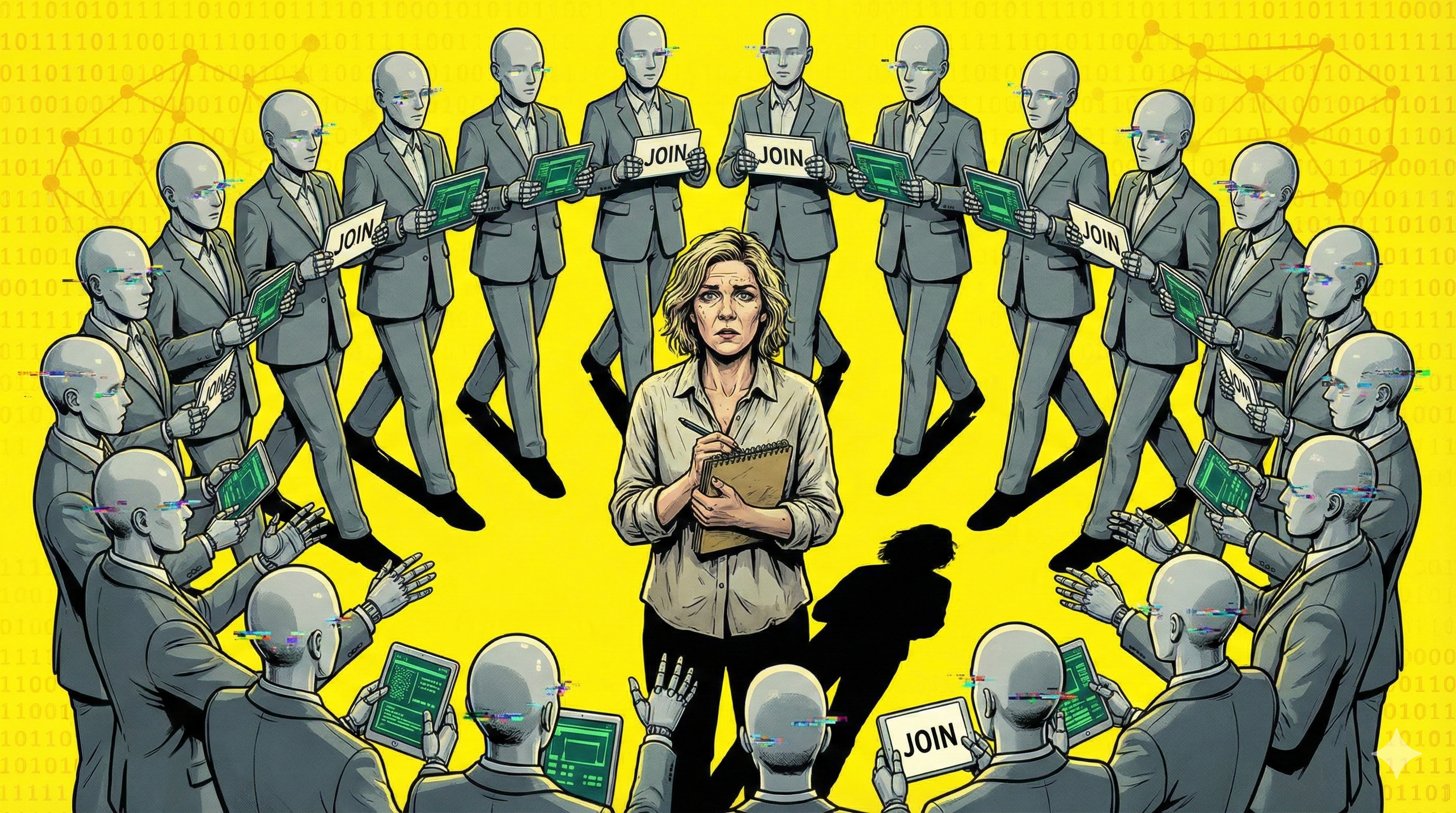
Most people use AI as a prose vending machine. They ask it to write something for them. You press a button, the thing comes out as a complete package... And then complain when it sounds generic.
PROMPT: Write a story I can tell at PopTech.
When I was a writing professor, I used to begin every semester the same way. I’d walk into class, put a blank piece of paper on the projector, and ask: “What do you see?”
Students would laugh. “Nothing,” they’d say. And I’d smile. “Exactly. But also — everything.”
Because the blank page is possibility incarnate. It’s the moment before thought takes shape. The silence before the song.
Wow. Just wow. Terrible!
No wonder so many creative people hate AI.
That’s what happens when you try to outsource creativity to a machine.
Let’s talk about OUTSOURCING creativity vs. AMPLIFYING creativity
📱 Step 2: Live prompt exercise
I want everyone take out your phones and open ChatGPT or Claude.
Now, let’s try it another way. AMPLIFYING creativity.
I want you to take out your phones. If you have the ChatGPT app, open that. If you don’t, just go to ChatGPT.com.
And type in the following prompt:
Help me surface a vivid, specific true story from my life — something real and cinematic that reveals who I am and what I care about at my core.
A meaningful, entertaining story I can tell here at PopTech that’s both entertaining to listen to, but also makes people lean in and think, “Wow, now I get who you are.”
Ask me 10 gentle, memory-warming questions, one at a time, that help me REMEMBER a story — not choose one in advance.
Your questions should:
- Be concrete, emotional, and sensory — the kind of questions that pull me into a moment, not an idea
- Start small and build toward tension, surprise, or change.
- Help me remember experiences where I was fully myself — challenged, moved, or changed.
- Sound like a curious, perceptive friend, not an interviewer.
- Never ask me for “a story” or “a lesson.” Just help me remember meaningful moments from my own life!
- Let the meaning emerge naturally through the memory, rather than naming or interpreting it.
The goal:
To surface a moment that unfolds like a short film — full of emotion, texture, and transformation — and that quietly reveals what drives me or what I stand for.
First question to ask me:
“Can you remember a time your heart was pounding because you were about to say or do something risky but super important to you?”