



The motte-and-bailey is a classic rhetorical shell game 🎭. It’s named after a medieval castle design, which is already a hint that someone is retreating under fire.
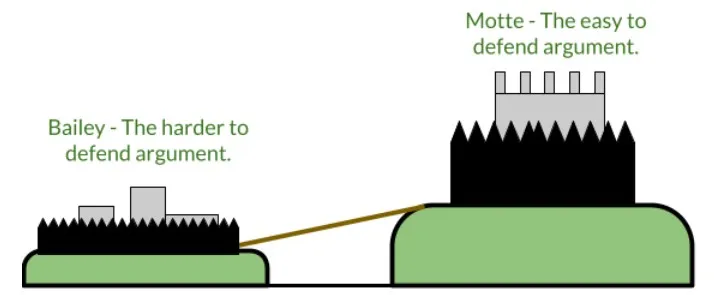
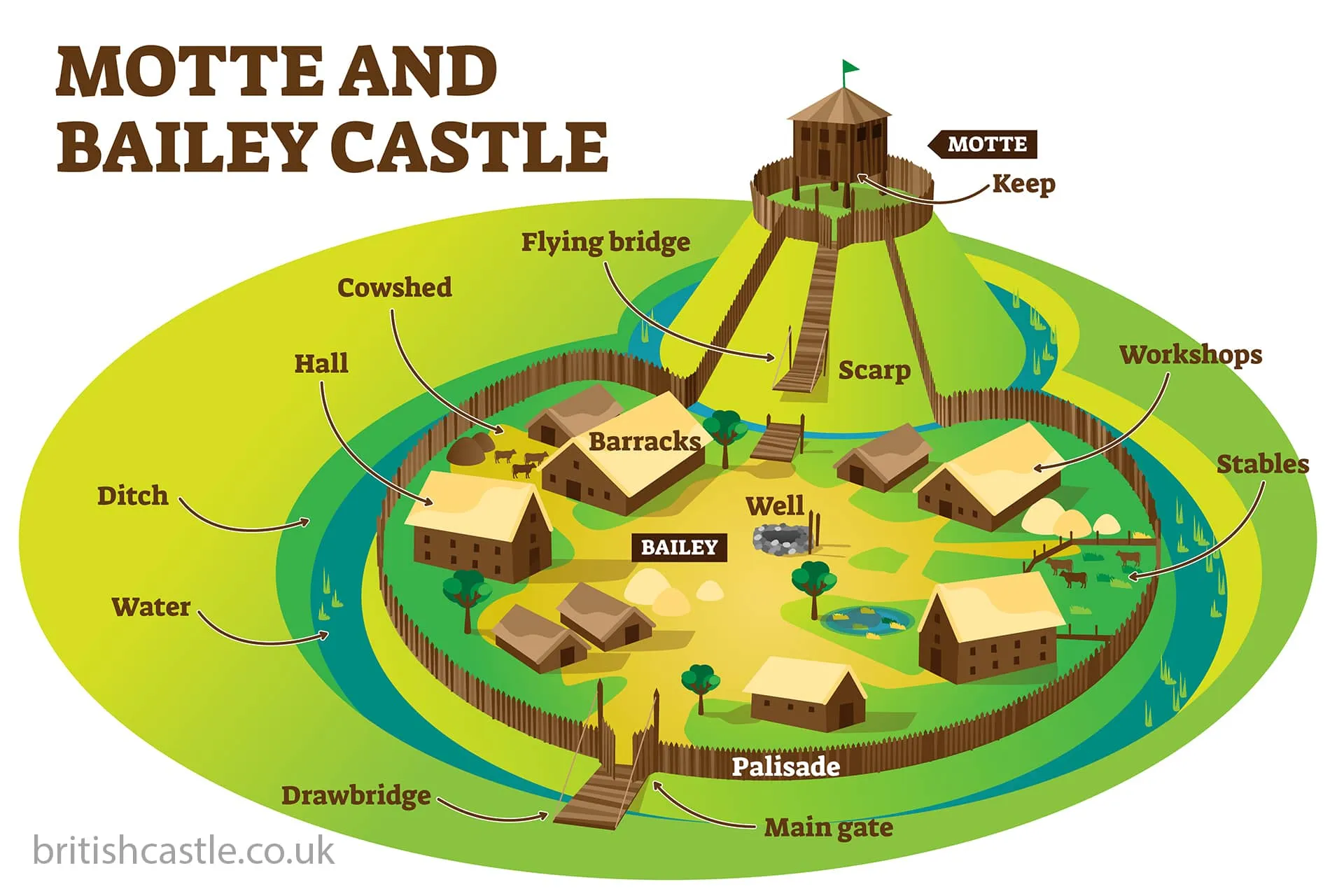
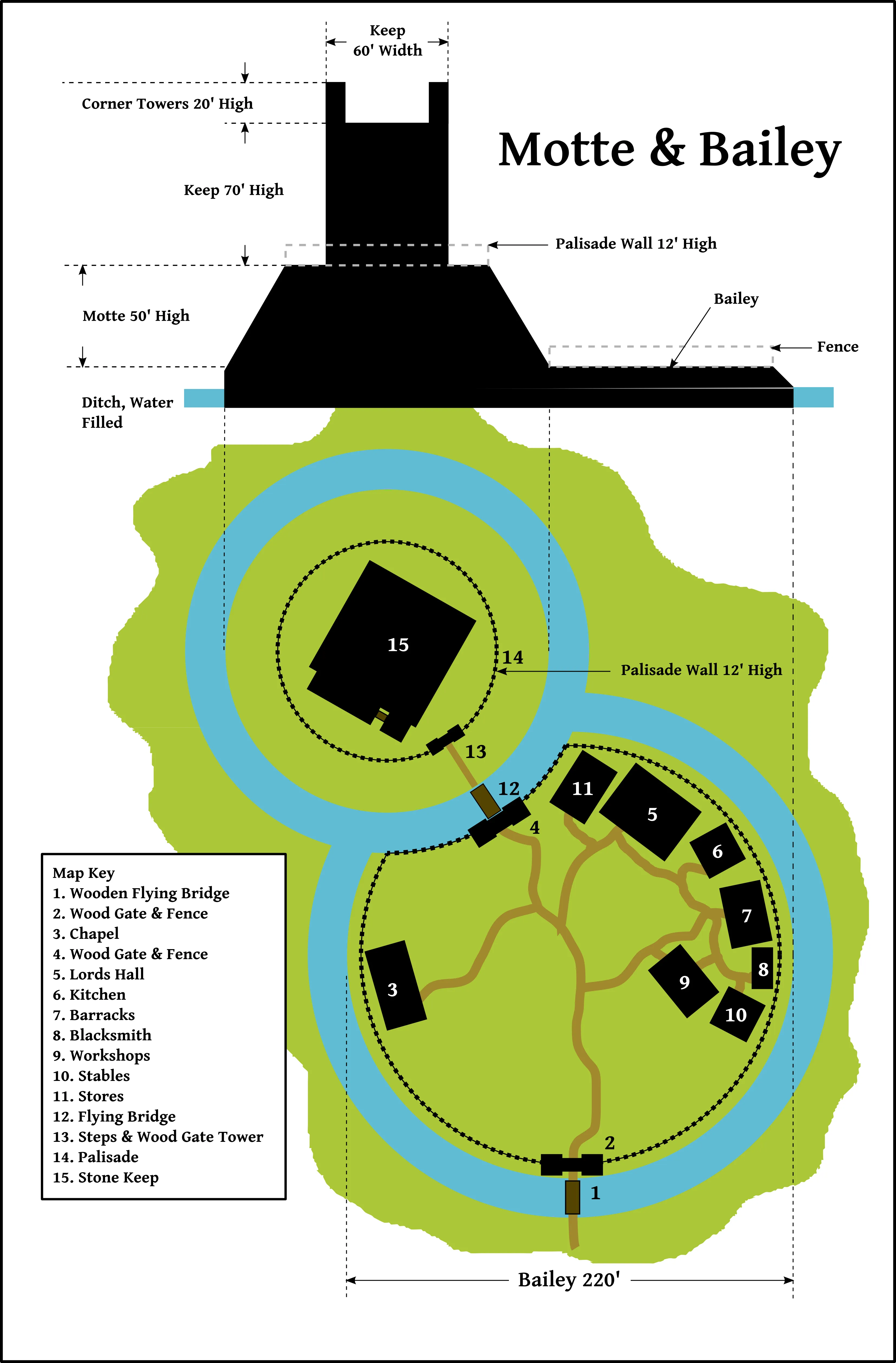
Here’s the idea, in plain human terms. The bailey is the bold, exciting, controversial claim. It’s the one that gets attention, recruits believers, and feels intellectually daring. The motte is the modest, boring, very defensible claim that almost everyone would agree with.
The trick goes like this. Someone advances the bailey. You challenge it. Under pressure, they suddenly retreat to the motte and say, in effect, “I never meant the extreme thing, I only meant this much weaker, obviously true thing.” Once the criticism dies down, they wander back out into the bailey as if nothing happened.
A clean example. Bailey: “Science shows that traditional medicine is basically useless.” Pushback: “That’s obviously false.” Motte: “Well, all I’m saying is that some traditional remedies don’t work and should be tested carefully.” That motte is fine. But notice how it doesn’t earn the original swagger.
You see this move constantly in conspiracy thinking, culture war arguments, and certain tech hype cycles. It’s emotionally efficient because it lets someone enjoy the thrill of radical claims without paying the evidentiary price. When challenged, they sound reasonable. When unchallenged, they sound revolutionary.
The diagnostic question to keep in mind 🧠 is simple. “Which claim is doing the persuasive work, and which claim is being defended when challenged?” If those are different claims, the castle gates are swinging.
Once you start spotting motte-and-bailey moves, you can’t unsee them. They show up everywhere humans are tempted to trade clarity for applause.



Comments
Join the discussion on GitHub.